In this article
Pruning calendars written for the southern states talk about winter dormancy. Most trees in a Darwin yard do not go dormant in any useful sense, so that advice does not transfer. What does shape the timing up here is the weather: the dry, the build-up and the wet each change what the work is for.
| Season | Conditions | Best used for |
|---|---|---|
| Dry (about May to September) | Firm ground, settled weather | Reductions, thinning, clearance and deadwood |
| Build-up (about October to December) | Heat and the first storms | Finishing clearance work, not starting big reductions |
| Wet (about December to April) | Storms and soft ground | Reactive work - hung-up limbs, splits, leaning trees |
What each Top End season suits
- Season
- Dry (about May to September)
- Conditions
- Firm ground, settled weather
- Best used for
- Reductions, thinning, clearance and deadwood
- Season
- Build-up (about October to December)
- Conditions
- Heat and the first storms
- Best used for
- Finishing clearance work, not starting big reductions
- Season
- Wet (about December to April)
- Conditions
- Storms and soft ground
- Best used for
- Reactive work - hung-up limbs, splits, leaning trees
The dry season: the planning window
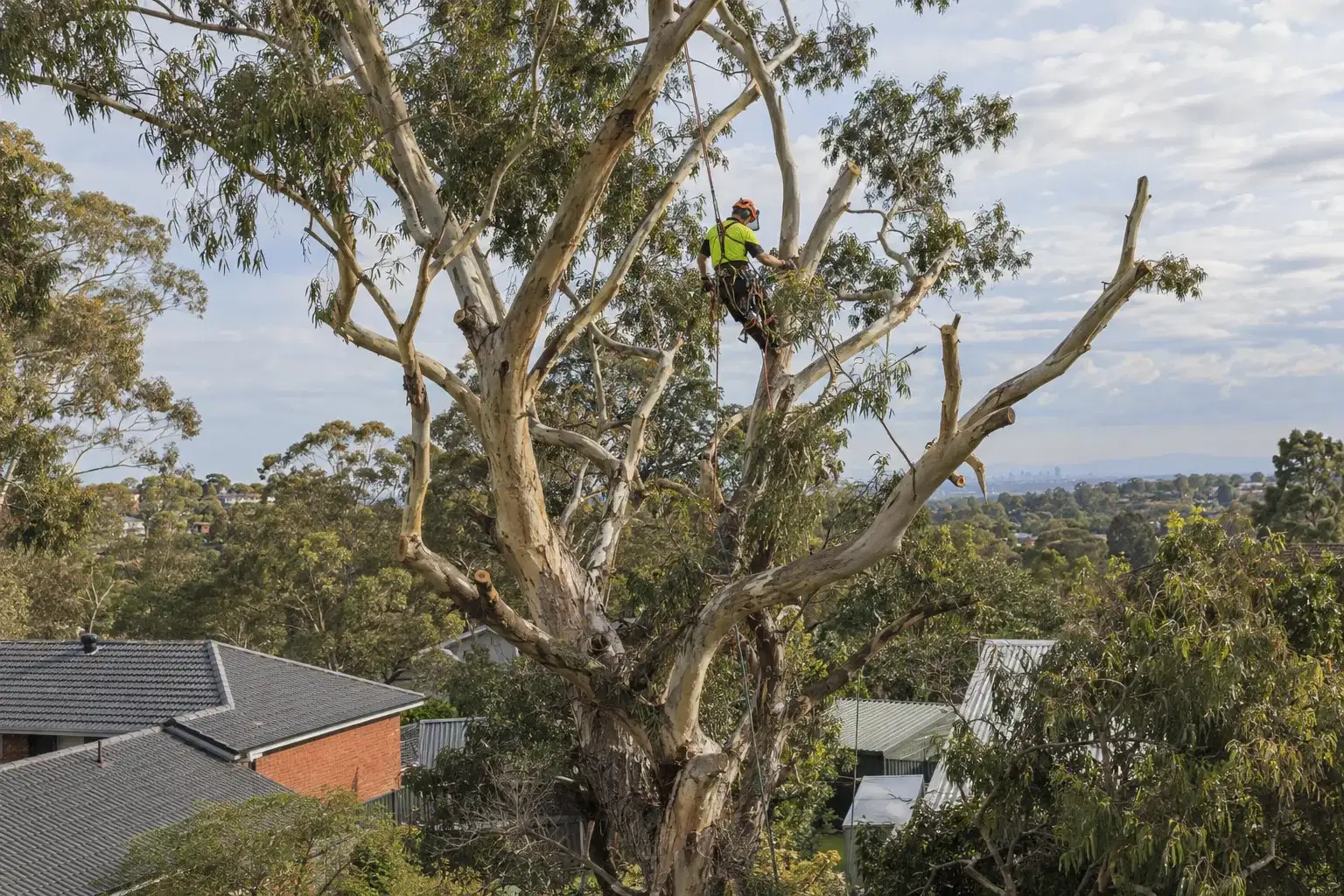
The dry is when most structural pruning gets done, and for good reasons. Ground is firm enough for equipment, there is no daily storm to work around, and anything done now has months to settle before the wind arrives. If a tree needs its crown reduced or thinned before the wet, this is the time to book it - not October, when everyone else remembers.
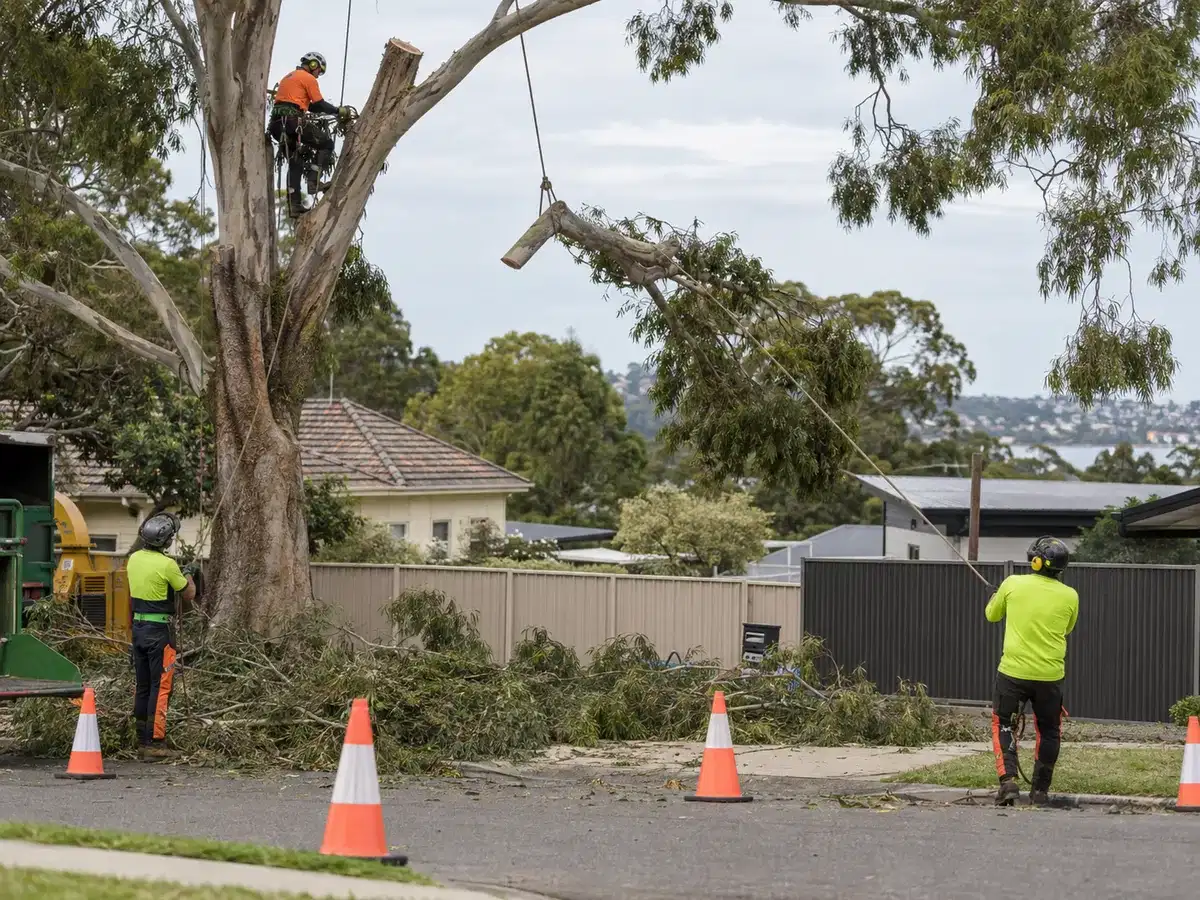
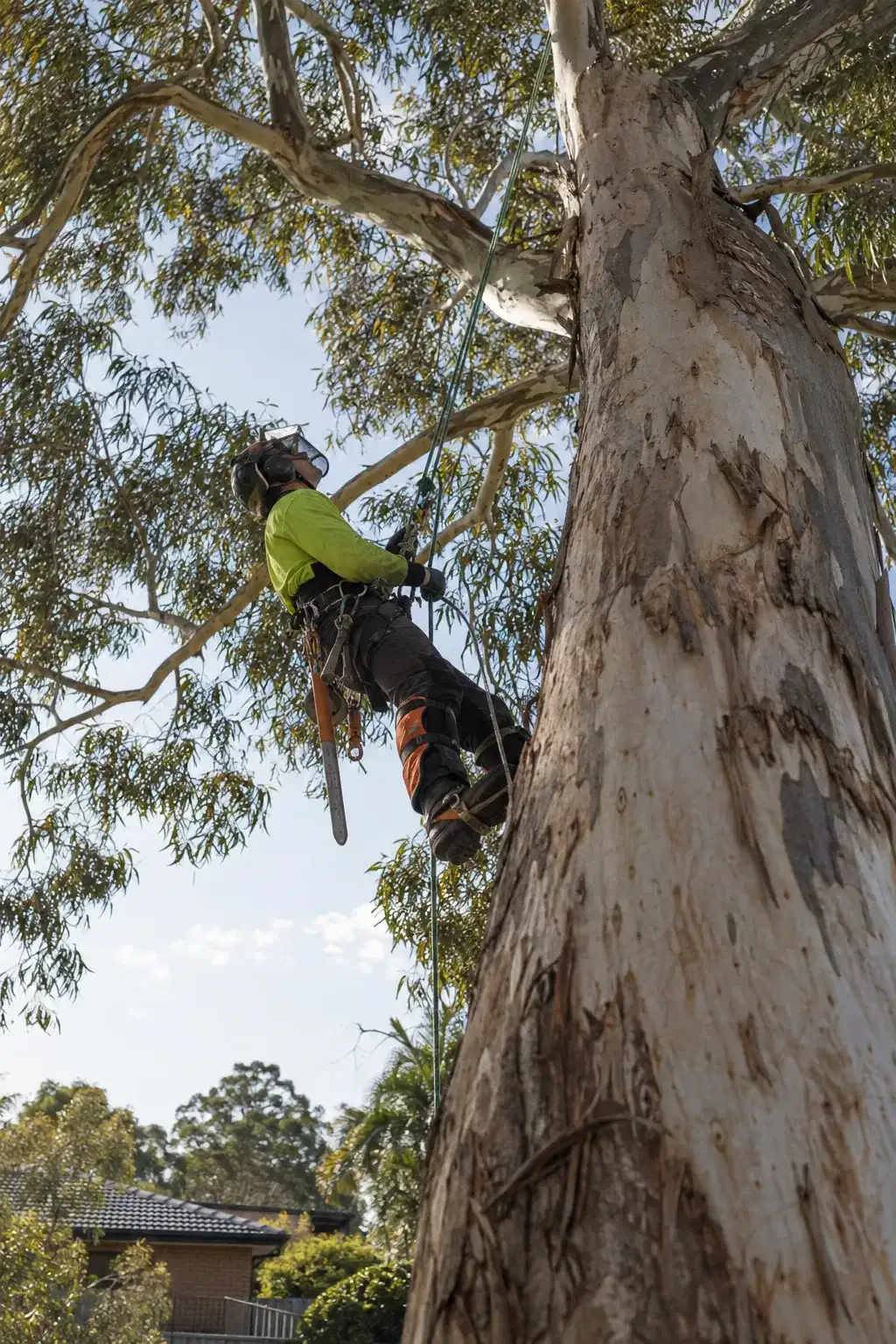
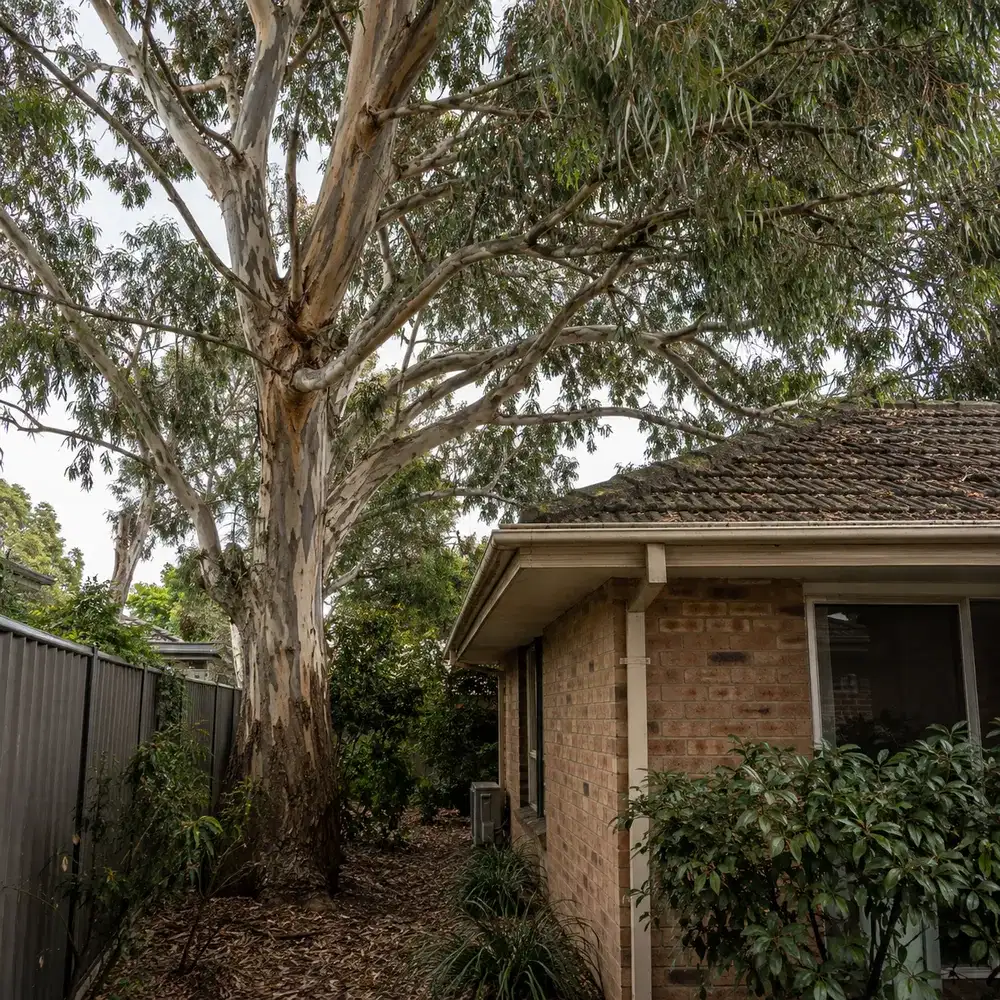
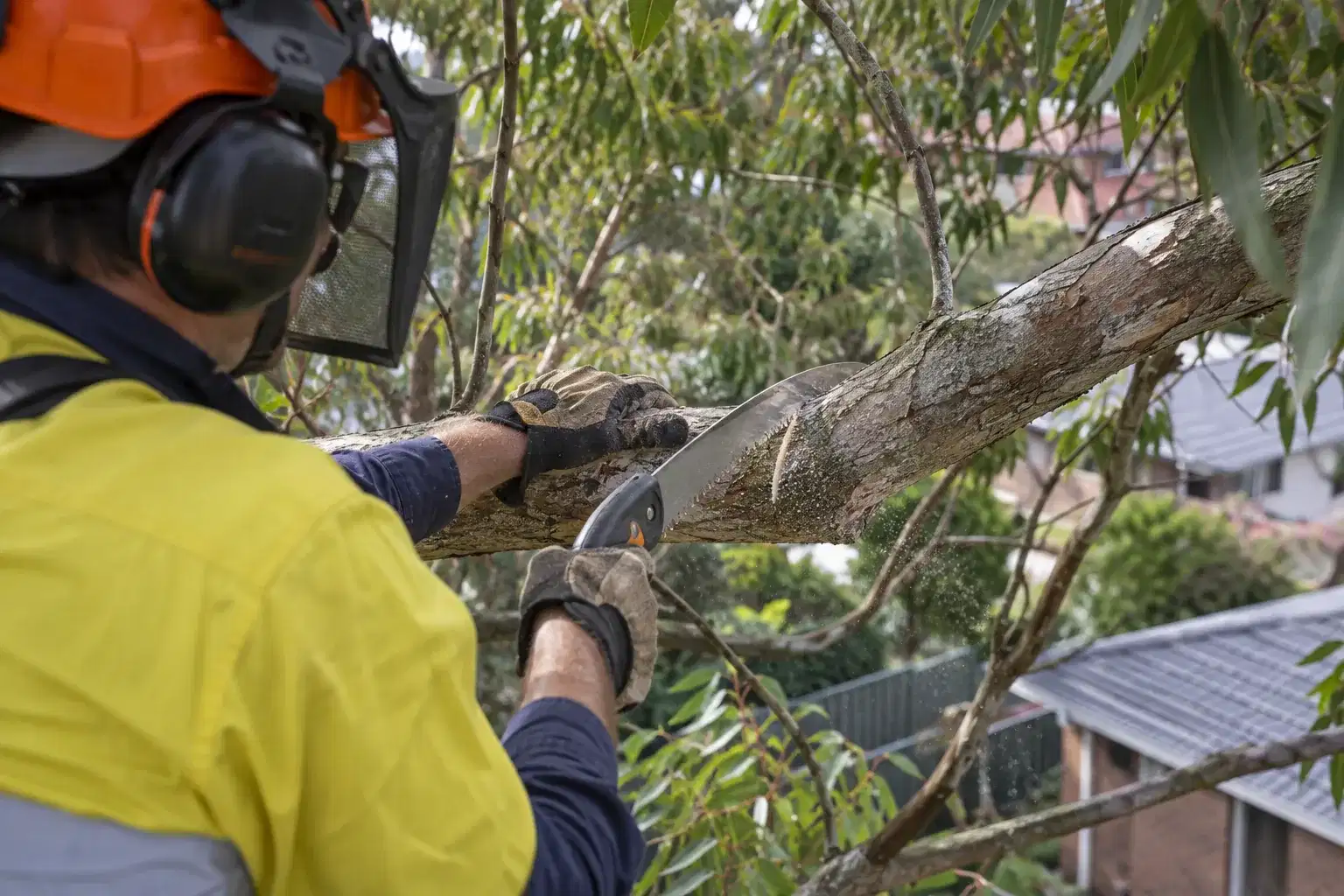
- Crown reductions and thinning on trees that overhang the roof or driveway
- Clearance pruning off the house, the gutters and the service line to the house
- Removing deadwood that has built up over the previous year
- Formative pruning on young trees, while cuts are still small
The build-up: finish, do not start
By the build-up the heat is hard on trees and on crews, and the first storms can arrive with little notice. It is a reasonable time to finish off clearance work and deal with anything that has shown up since the dry. It is a poor time to start a big reduction on a tree that has not been looked at in years.
The wet: reactive work
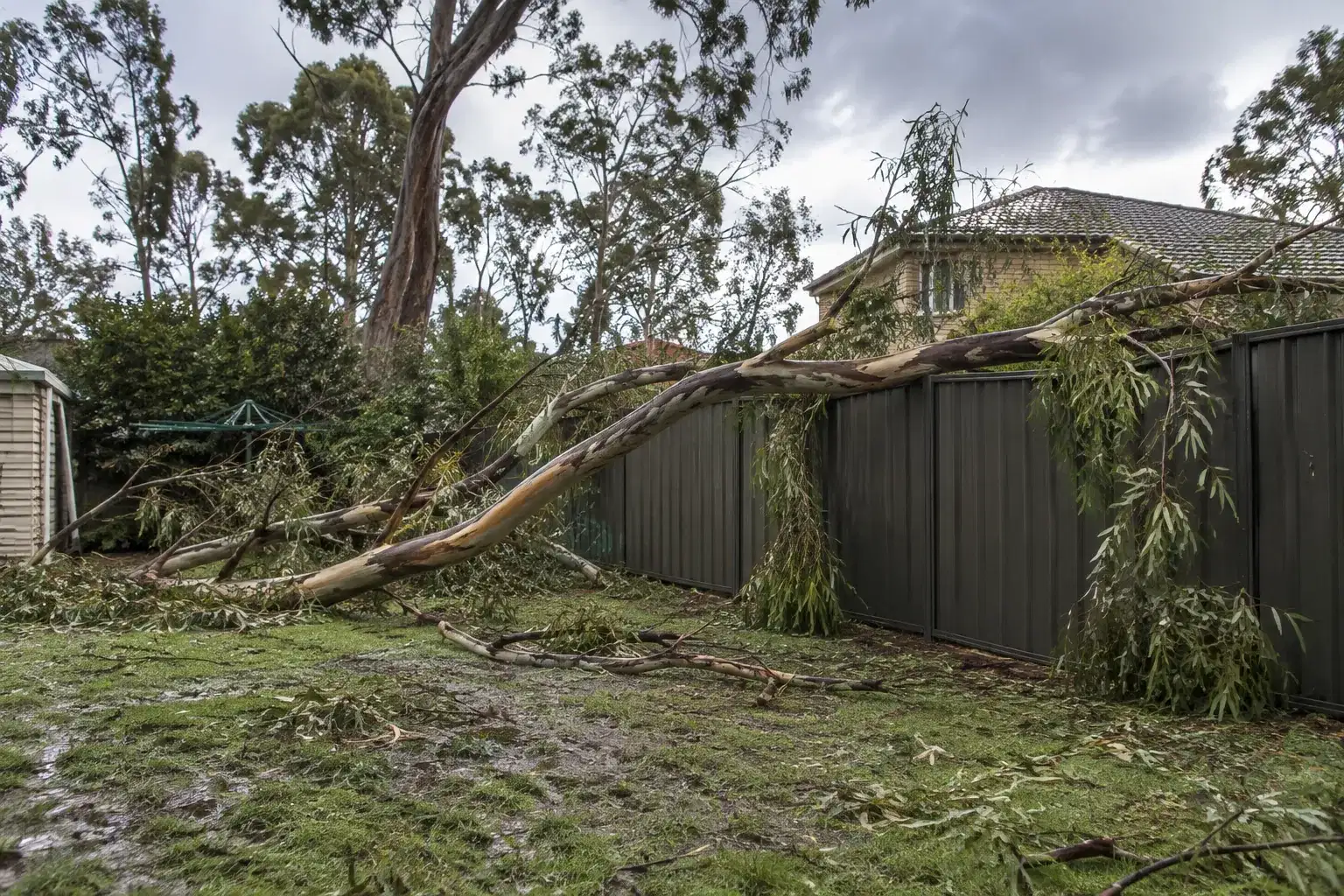
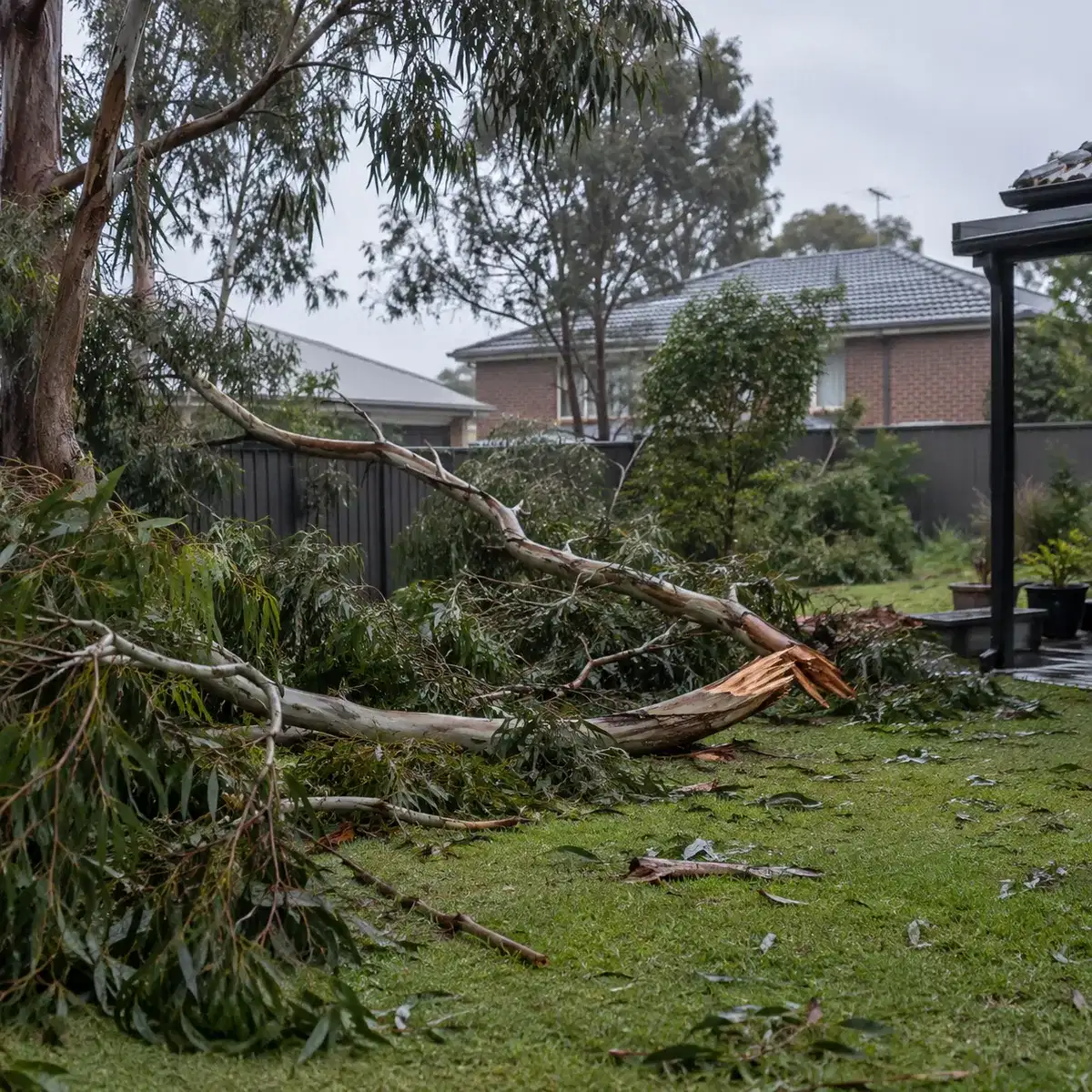
During the wet, most pruning is reactive: hung-up limbs after a storm, a branch that split overnight, a tree that is suddenly leaning on a fence. Soft ground limits where heavy equipment can go, so some planned work is simply better left until the dry comes back.
What should not wait for any month
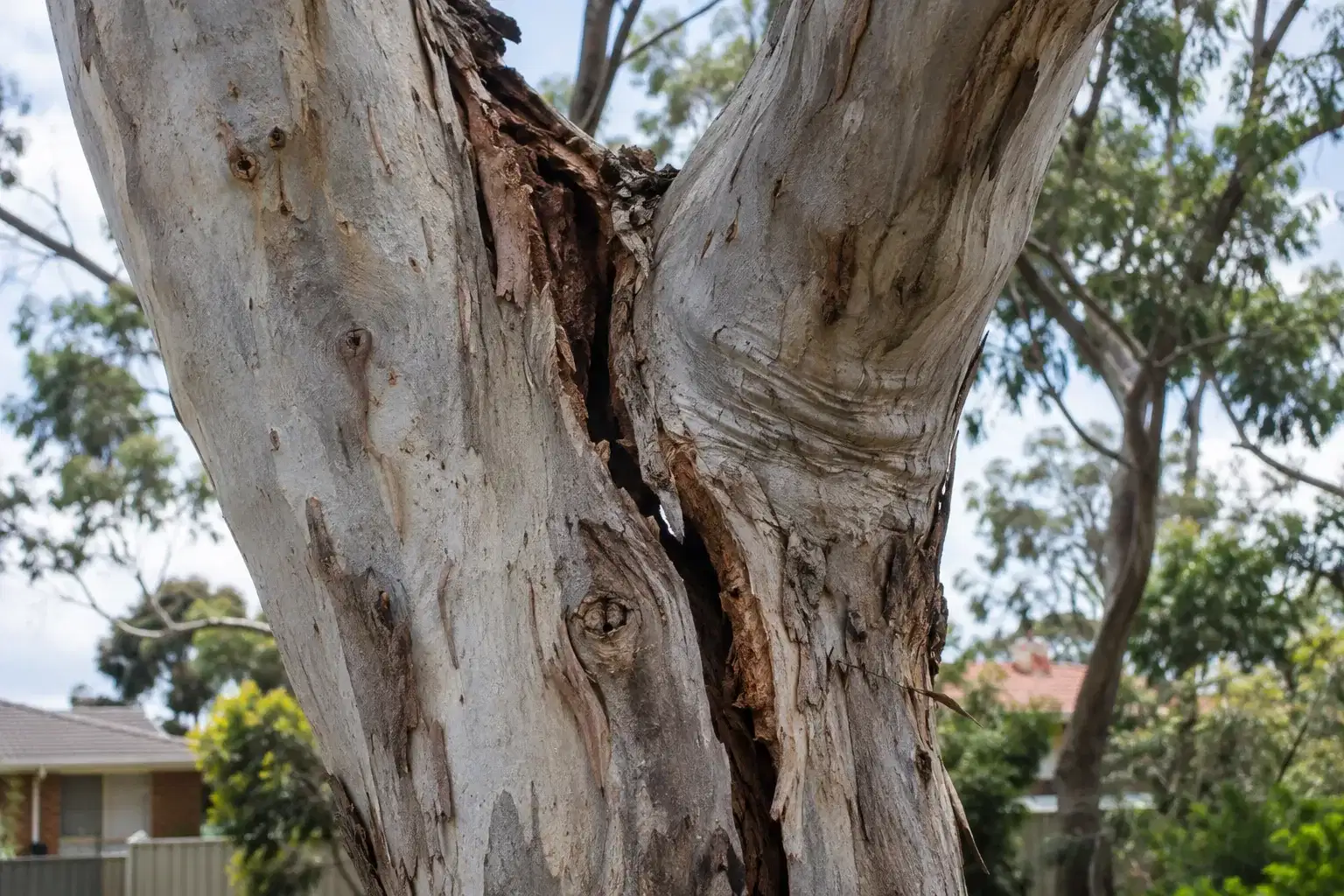
- A cracked or hanging limb above anywhere people sit, park or walk
- Branches in contact with the service line to the house
- A limb resting on the roof - it will wear through the sheeting in the first strong wind
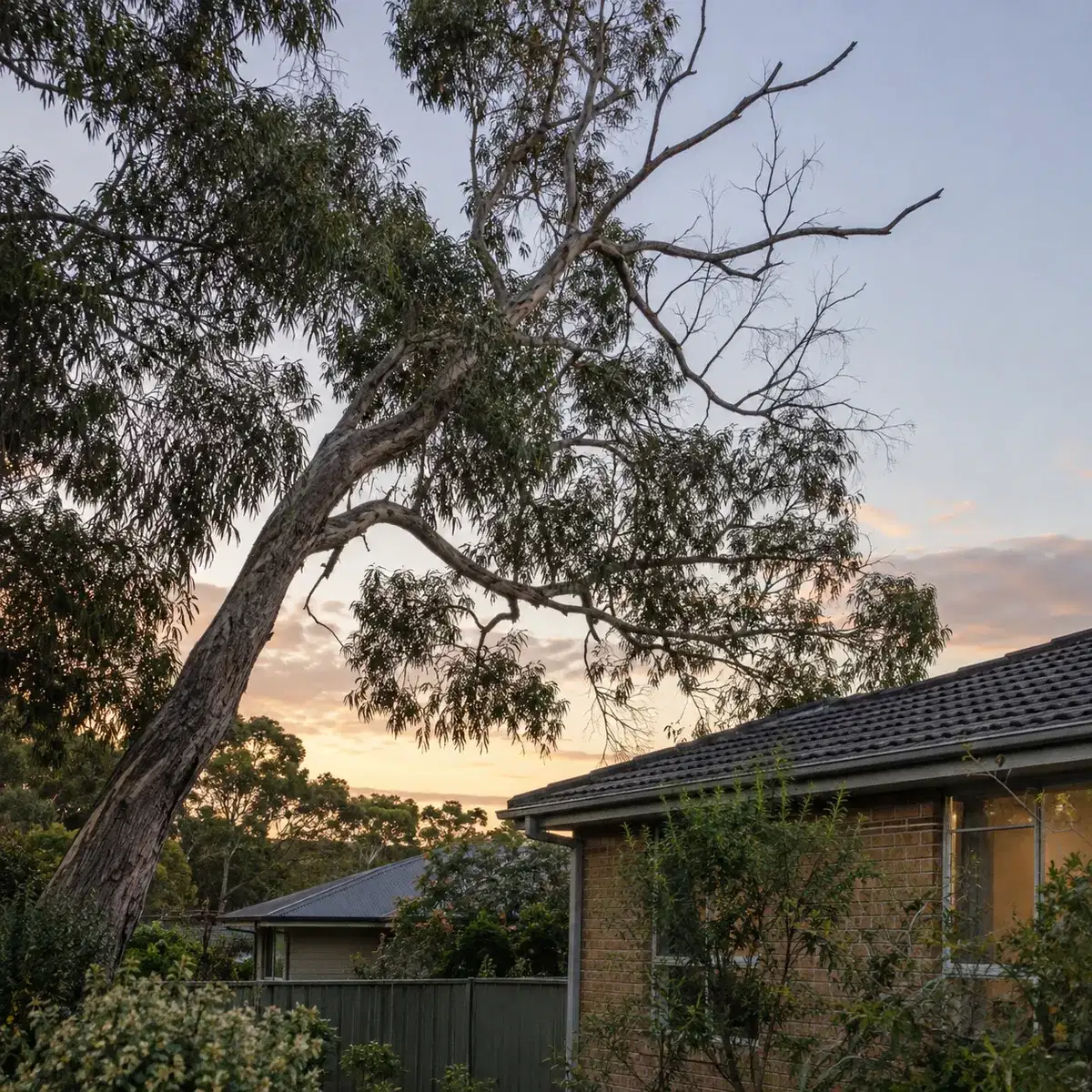
- Anything that has changed quickly, such as a new lean or lifting ground at the base
For those, the calendar is irrelevant. Everything else benefits from being booked early in the dry, while there is time to do it properly.
The work this article describes:Tree Trimming & Pruning