In this article
People asking this question usually expect one of two answers, depending on who they think they are asking. Neither is much use. The real answer comes out of four things, considered together.
1. Is the structure sound?
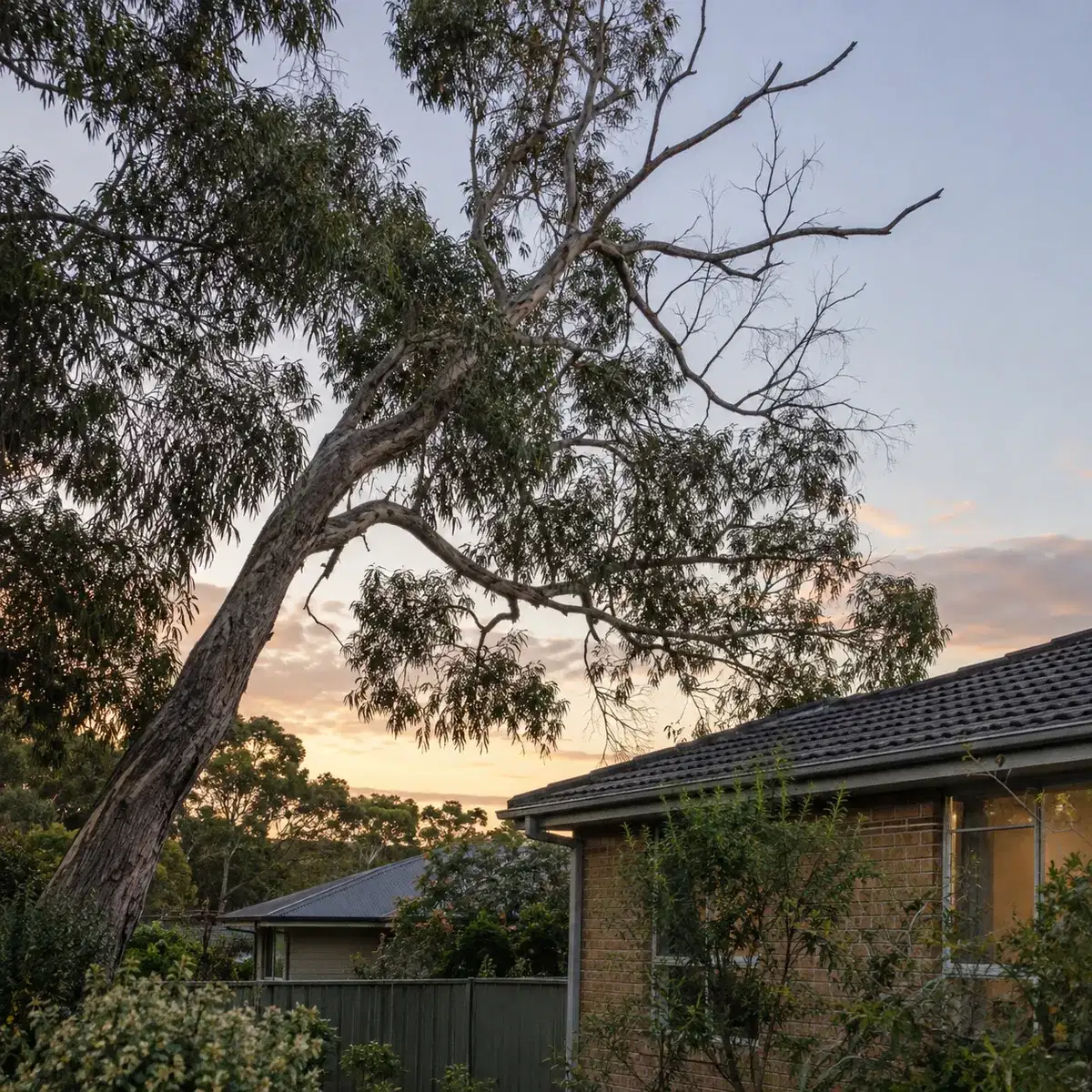
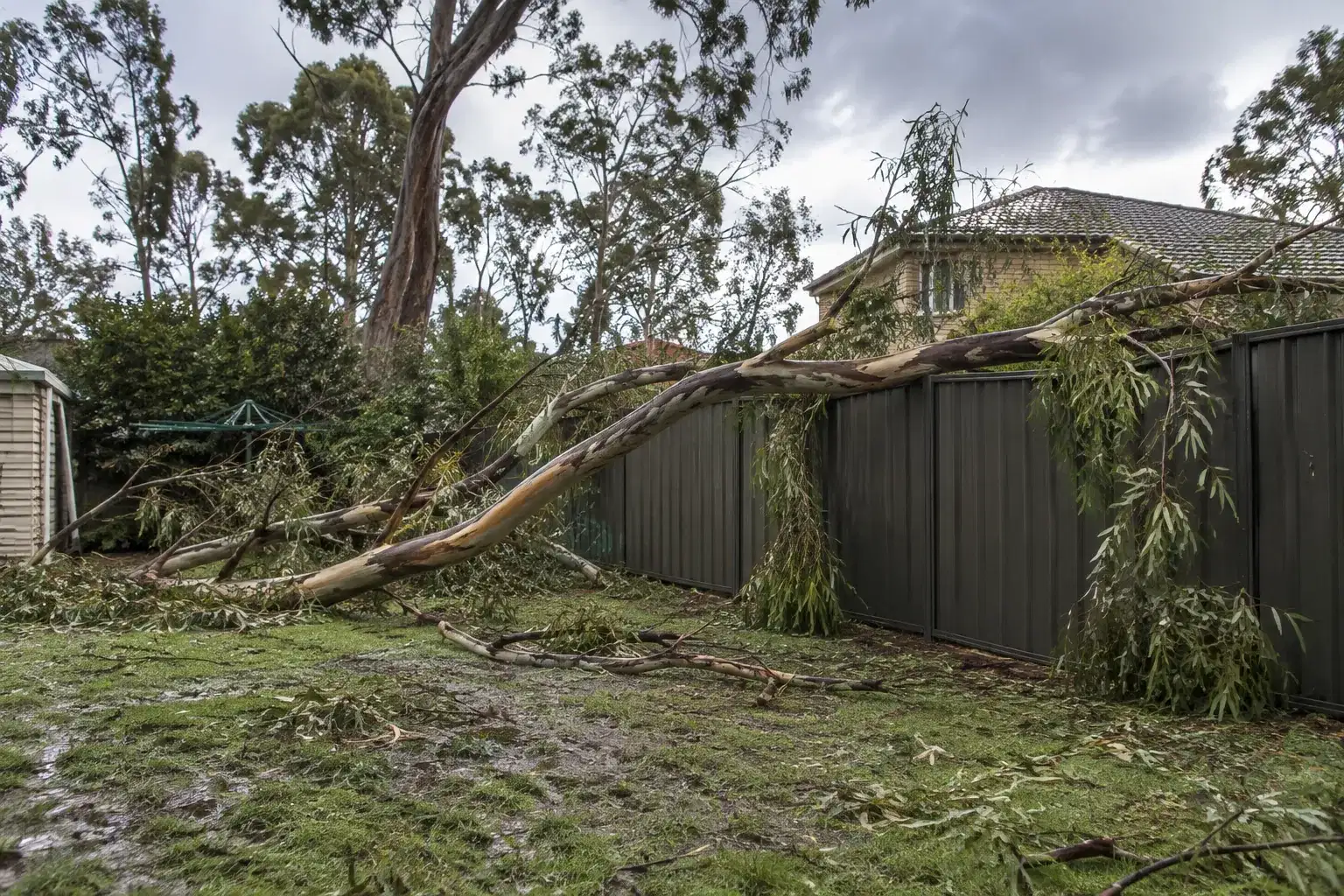
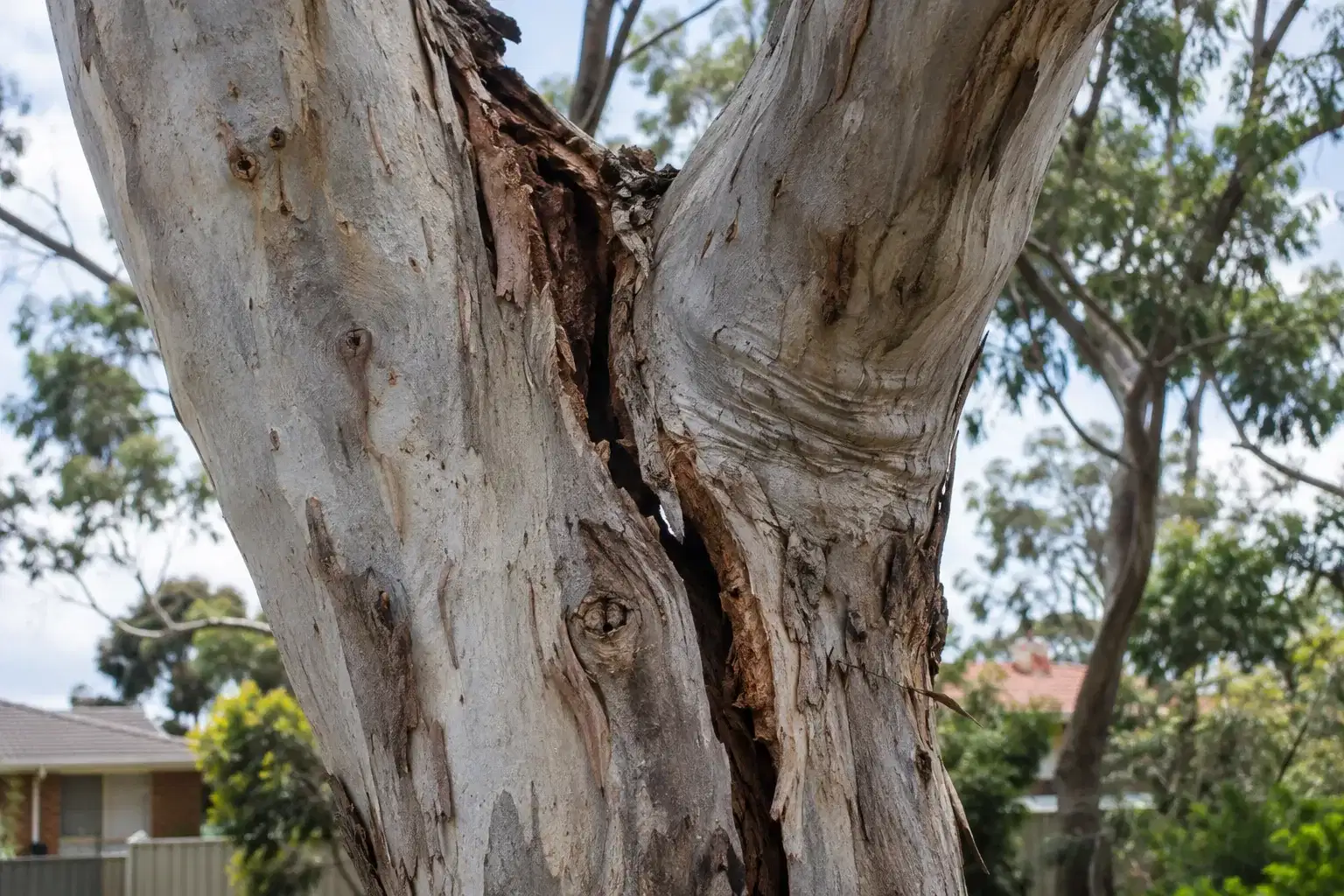
This is the first gate and the only one that can rule out retention on its own. A tree with a failed union, a significant crack through a main stem, or decay through a structural part of the trunk cannot be pruned back to safe. Reducing the crown lowers the load, which helps, but it does not repair the defect.
If the structure is sound, everything else is negotiable.
2. Is the problem load, or is it position?
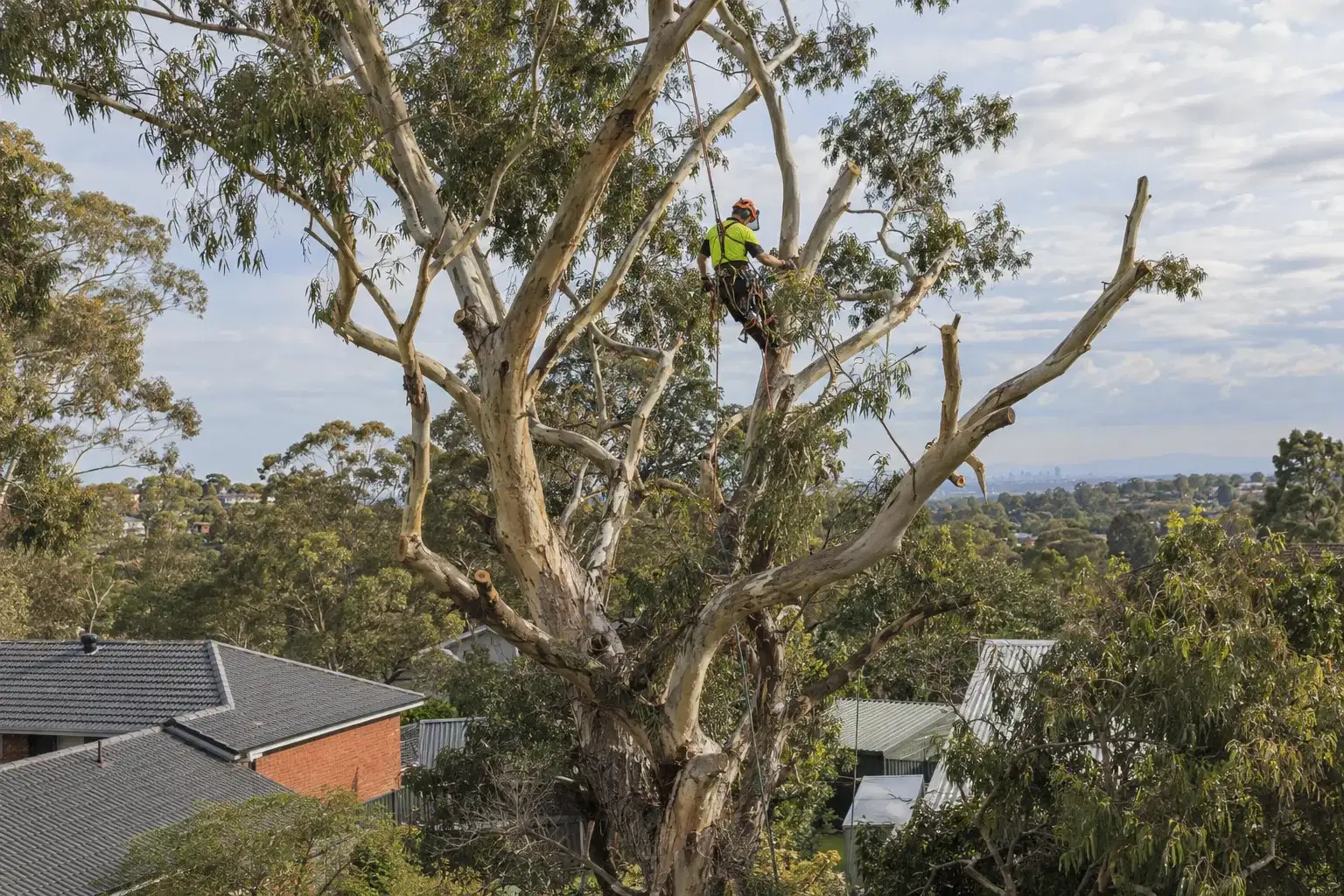
Load problems respond well to pruning. A crown that has become too heavy, limbs that have extended too far, deadwood accumulating over a used area - all of that is fixable, and the tree keeps growing.
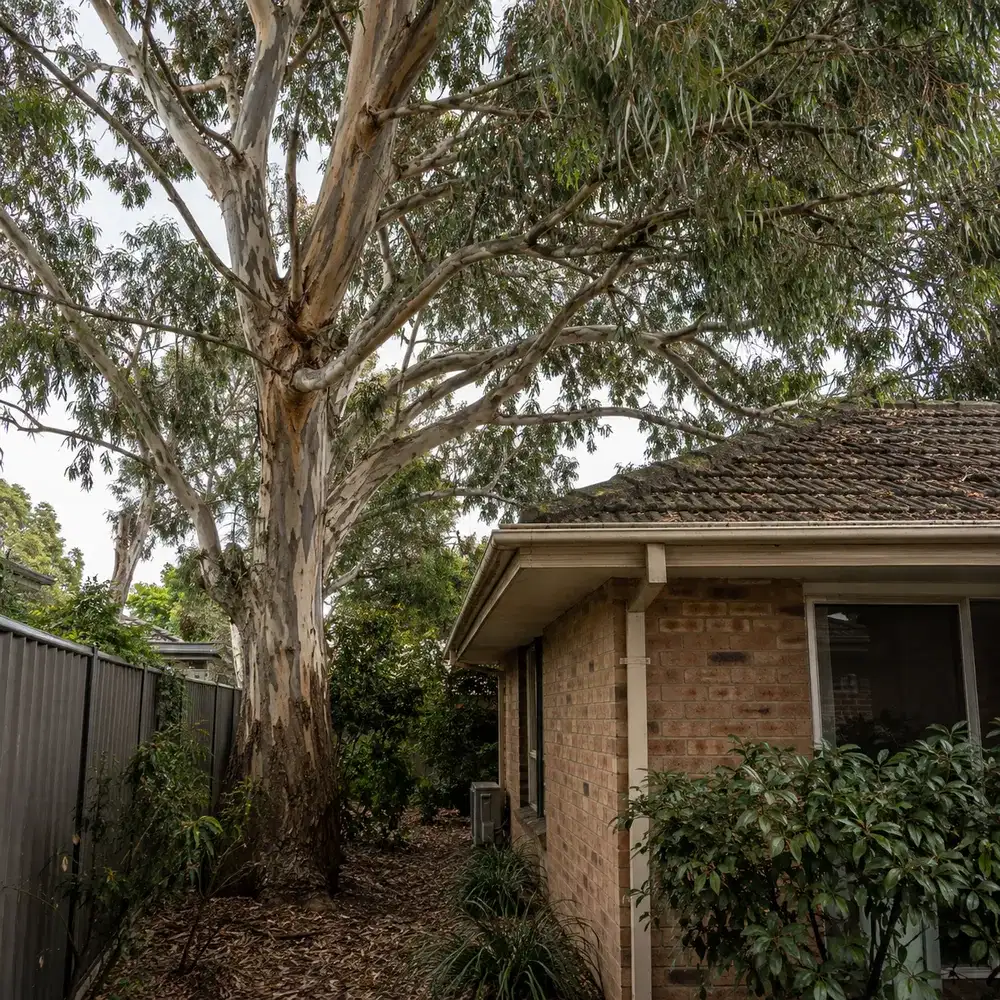
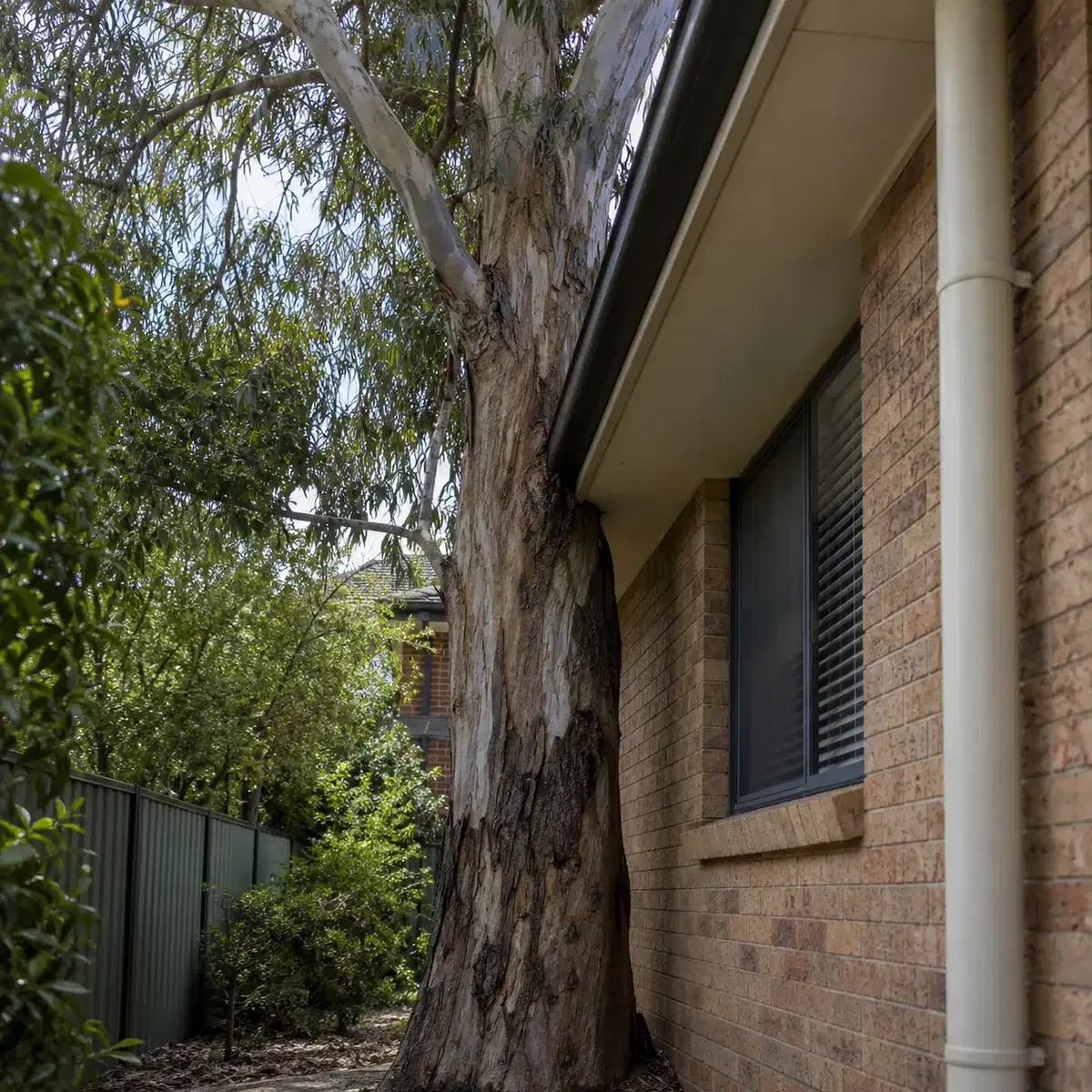
Position problems usually do not respond to pruning. A tree planted two metres from a wall is going to keep being two metres from a wall. Pruning buys a few years and costs the tree its form each time. At some point it is more honest to say the tree is in the wrong place.
3. How much has to come off?
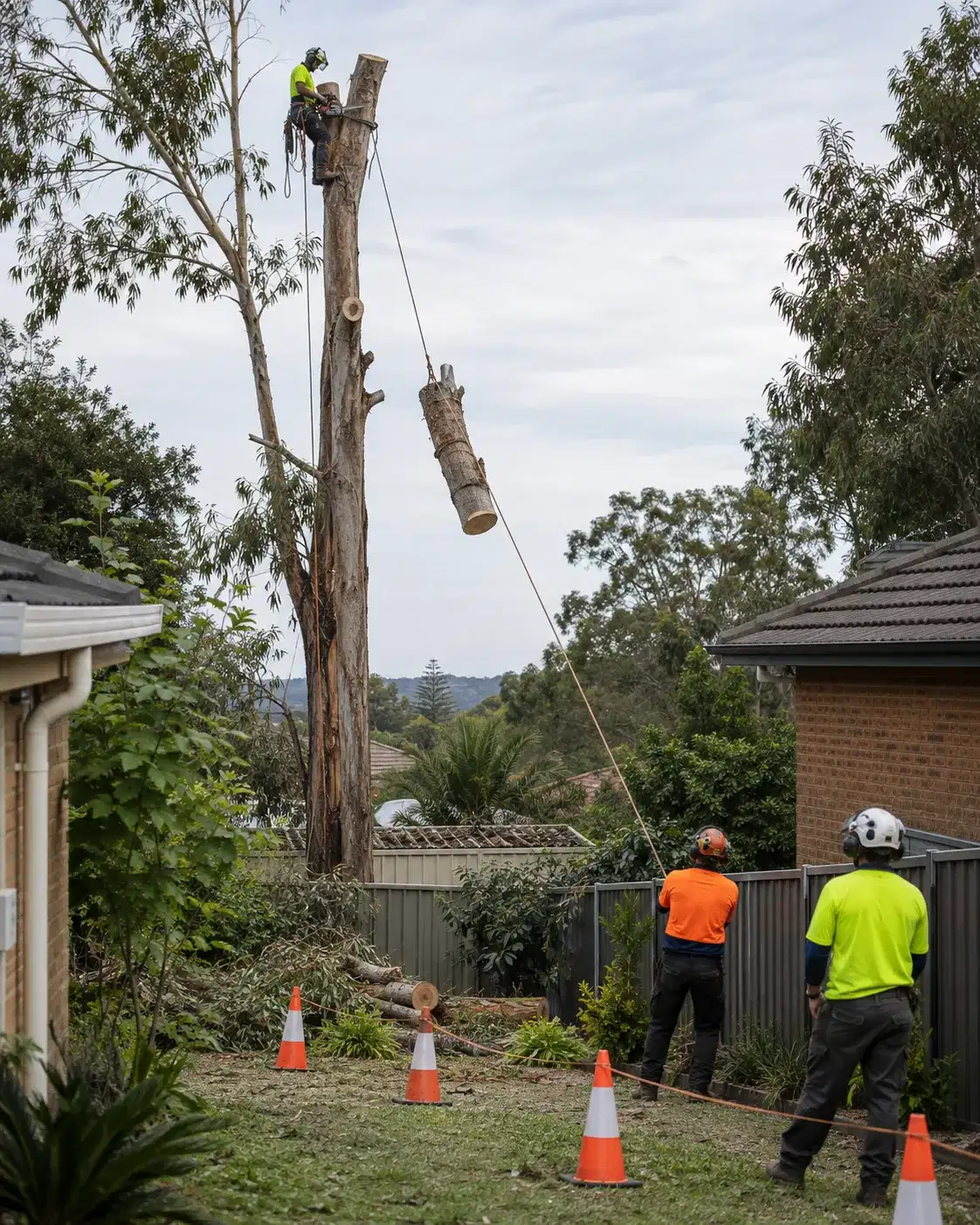
There is a defensible upper limit to how much live crown can be removed at once, and it varies by species. Once the specification needed to solve the problem exceeds what the tree can tolerate, pruning stops being a solution and starts being a slow removal.
4. What happens in five years?
A tree that will need the same work again in eighteen months is a different proposition from one that will hold for a decade. Part of the assessment is being clear about the interval, so you can compare the real cost of retention against the one-off cost of removal.
Plenty of trees are worth maintaining on a cycle. Some are not. That is a decision for the person paying for it, and it should be made with the numbers visible.
| Question | Points to pruning | Points to removal |
|---|---|---|
| Is the structure sound? | Sound unions, no significant decay | A failed union, a major crack or structural decay |
| Load or position? | Too heavy, over-extended, deadwood | Planted too close to a wall or roof |
| How much has to come off? | Within what the species tolerates | More than the tree can recover from |
| What happens in five years? | Holds for years between visits | The same work every eighteen months |
How the four questions point towards pruning or removal
- Question
- Is the structure sound?
- Points to pruning
- Sound unions, no significant decay
- Points to removal
- A failed union, a major crack or structural decay
- Question
- Load or position?
- Points to pruning
- Too heavy, over-extended, deadwood
- Points to removal
- Planted too close to a wall or roof
- Question
- How much has to come off?
- Points to pruning
- Within what the species tolerates
- Points to removal
- More than the tree can recover from
- Question
- What happens in five years?
- Points to pruning
- Holds for years between visits
- Points to removal
- The same work every eighteen months
What we will tell you
If a tree can be retained, we will say so - including when saying so costs us the larger job. If it cannot, we will explain which of the four gates it failed and what we found. Either way you get the reasoning, not just the recommendation.
The work this article describes:Tree Trimming & Pruning