In this article
On a build, tree work is almost never the hard part. Getting it into the right slot in the program is. Do it too early and you have removed a tree that a revised design would have kept. Do it too late and a machine cannot reach the position it needs.
Approvals come before everything
Most protected trees need approval to remove, and the approval is frequently tied to the development consent rather than separate from it. Find out which trees are protected, and under which instrument, before any date is committed to.
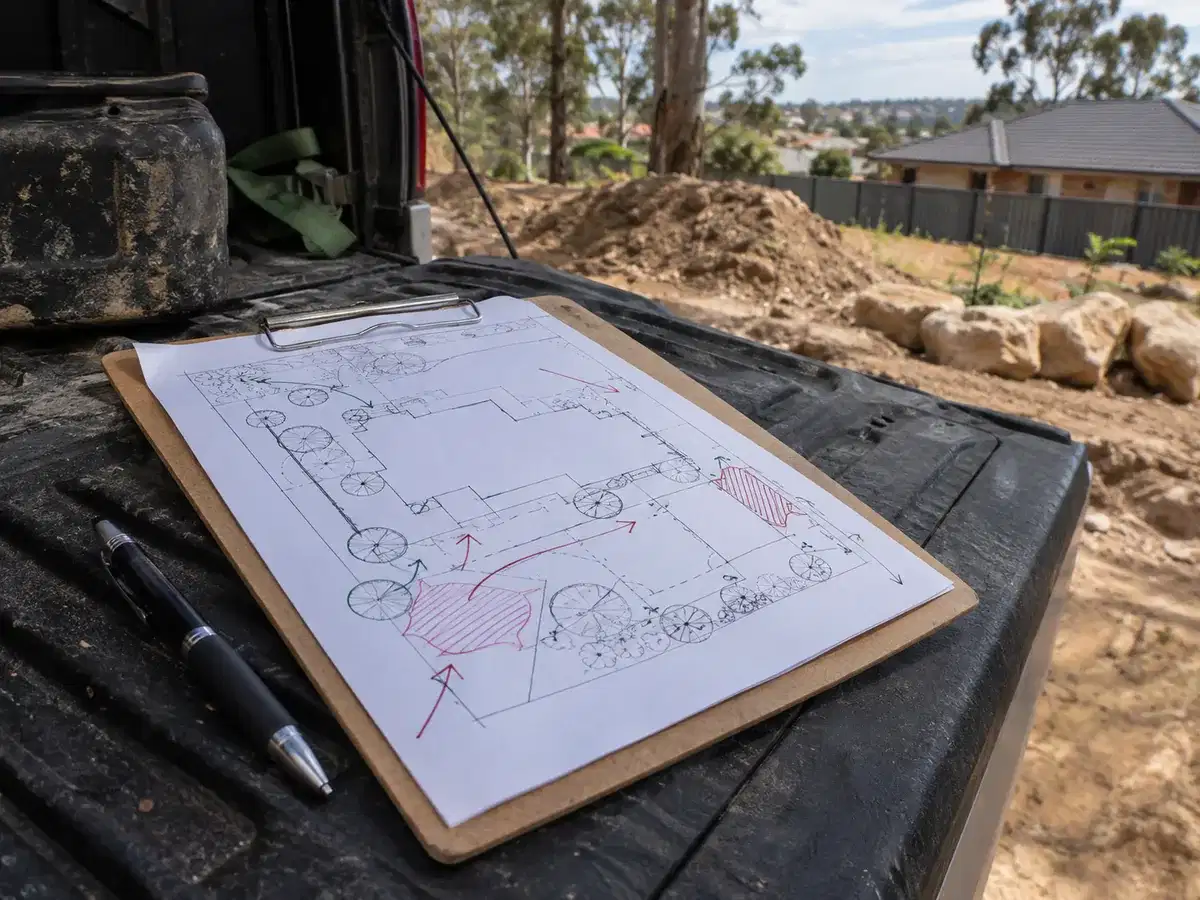
- Which trees are protected, and by what - local rules, consent conditions, or both
- What the consent actually permits, which is often less than the plans assume
- Whether replacement planting is a condition, and where it has to go
- Whether a report from a qualified arborist is required as part of the application
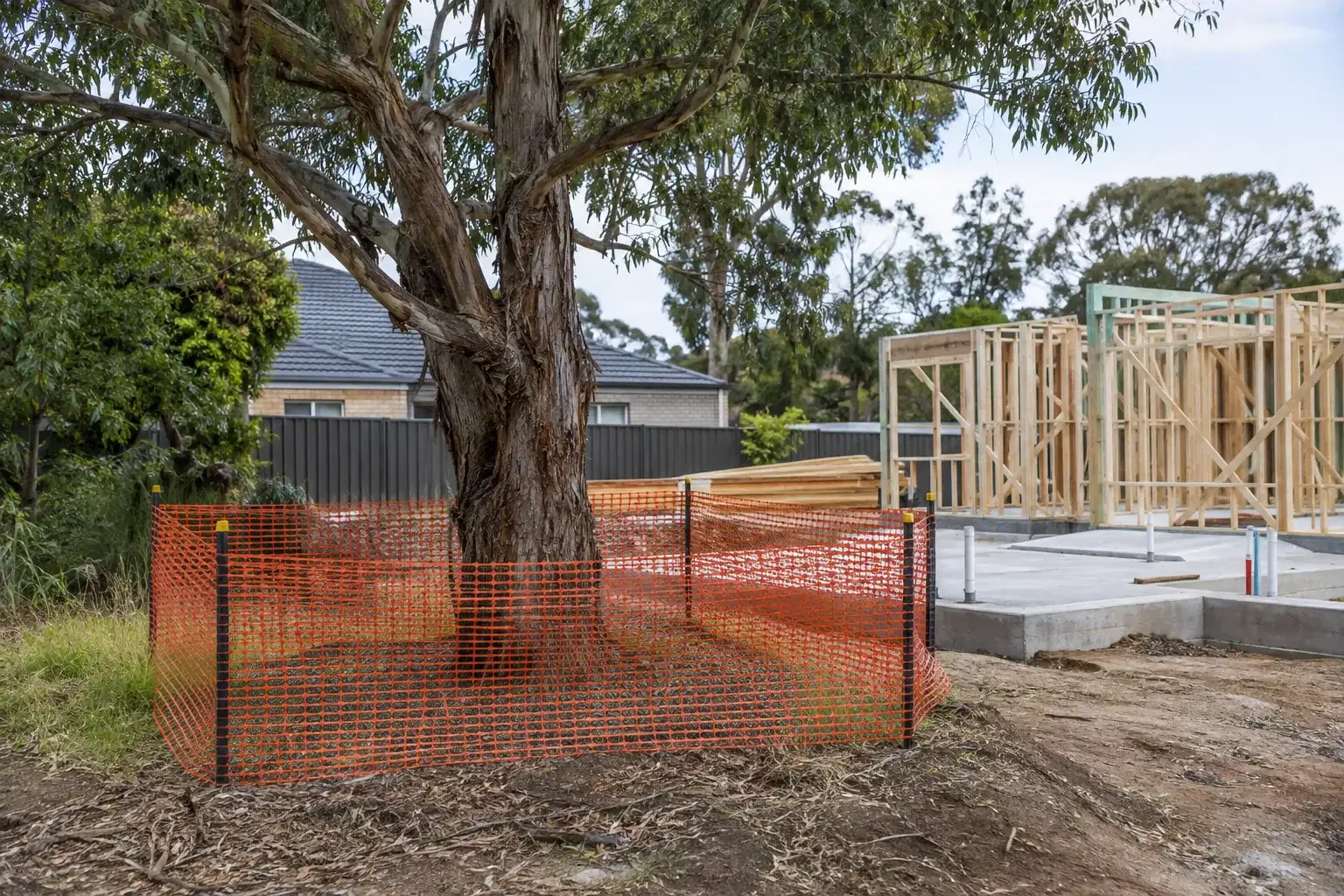
Protection zones are physical, not notional
A tree protection zone that exists only on a drawing protects nothing. It has to be fenced, signed, and respected by every trade on the site - including for material storage, washout and parking, which is where most breaches actually happen.
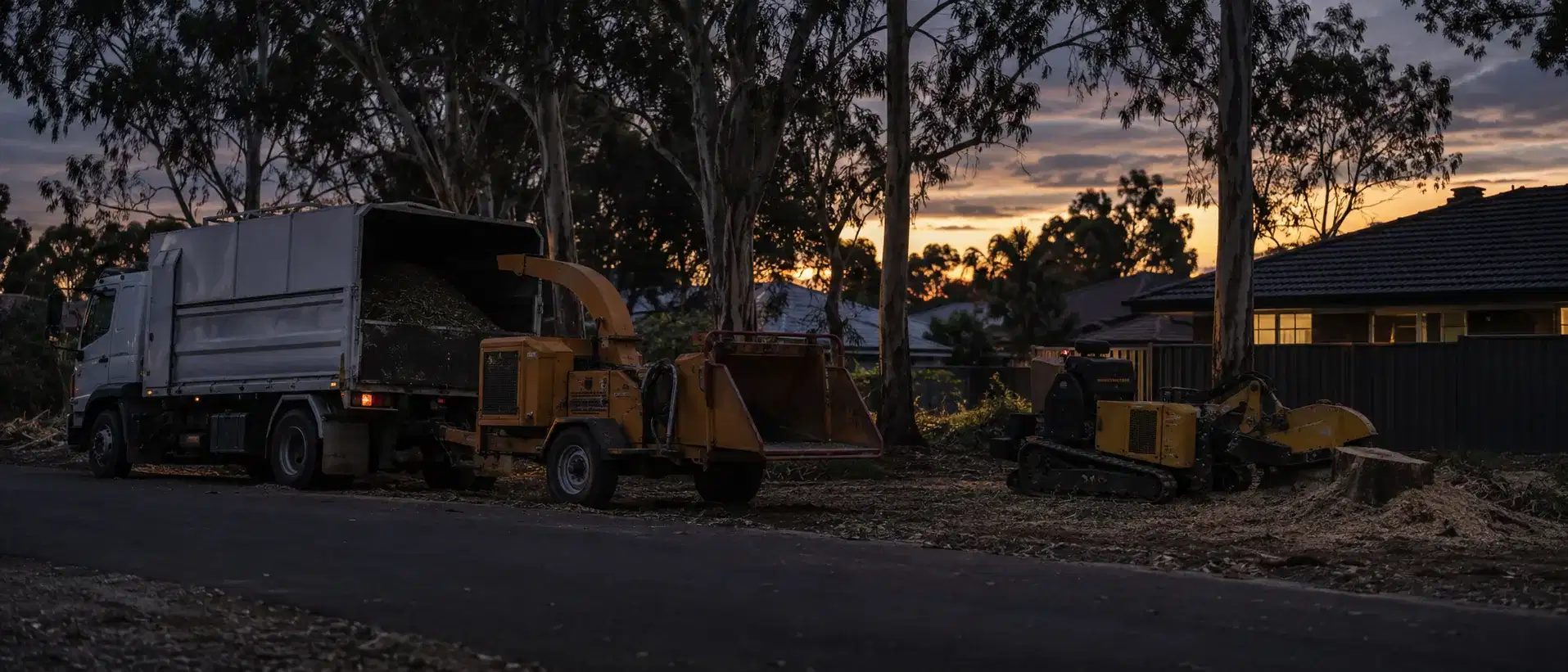
Sequencing
| When | Tree work | Why then |
|---|---|---|
| Before anything is booked | Confirm approvals and mark every retained tree | Removals often depend on the consent |
| Before other trades arrive | Fence the protection zones | Most damage happens in the first weeks |
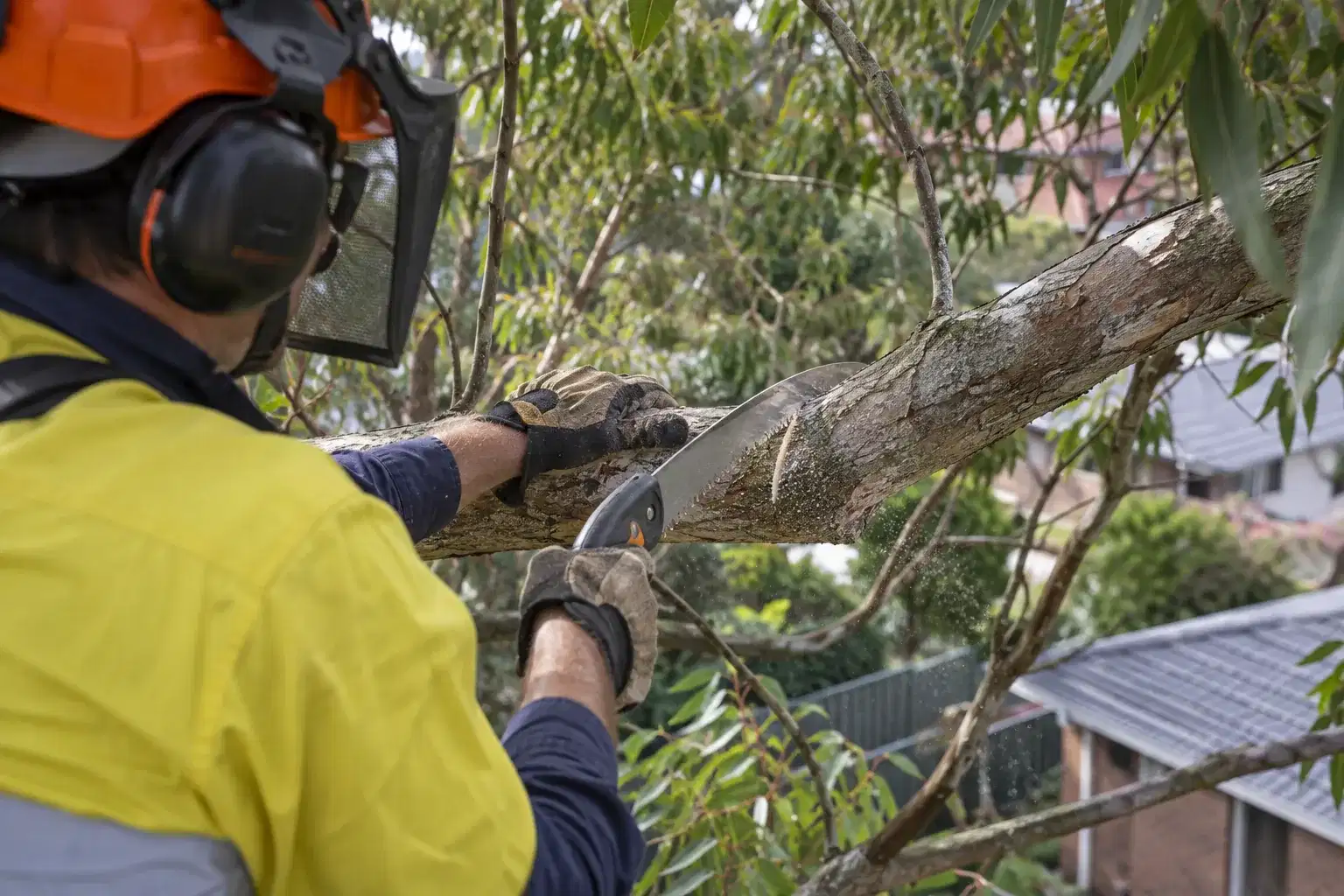
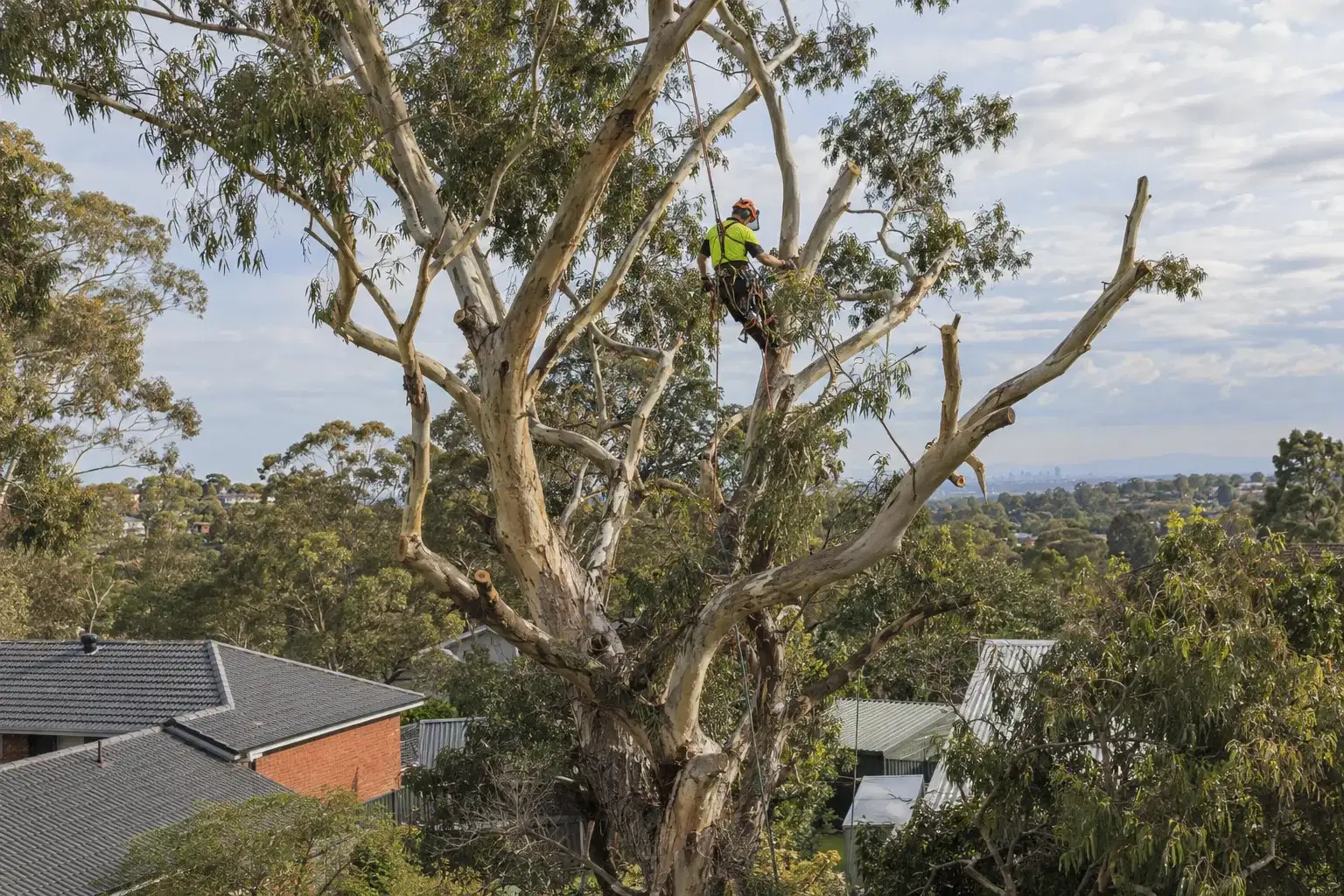
| Site preparation | Approved removals and clearance pruning for machinery | The site is still open and accessible |
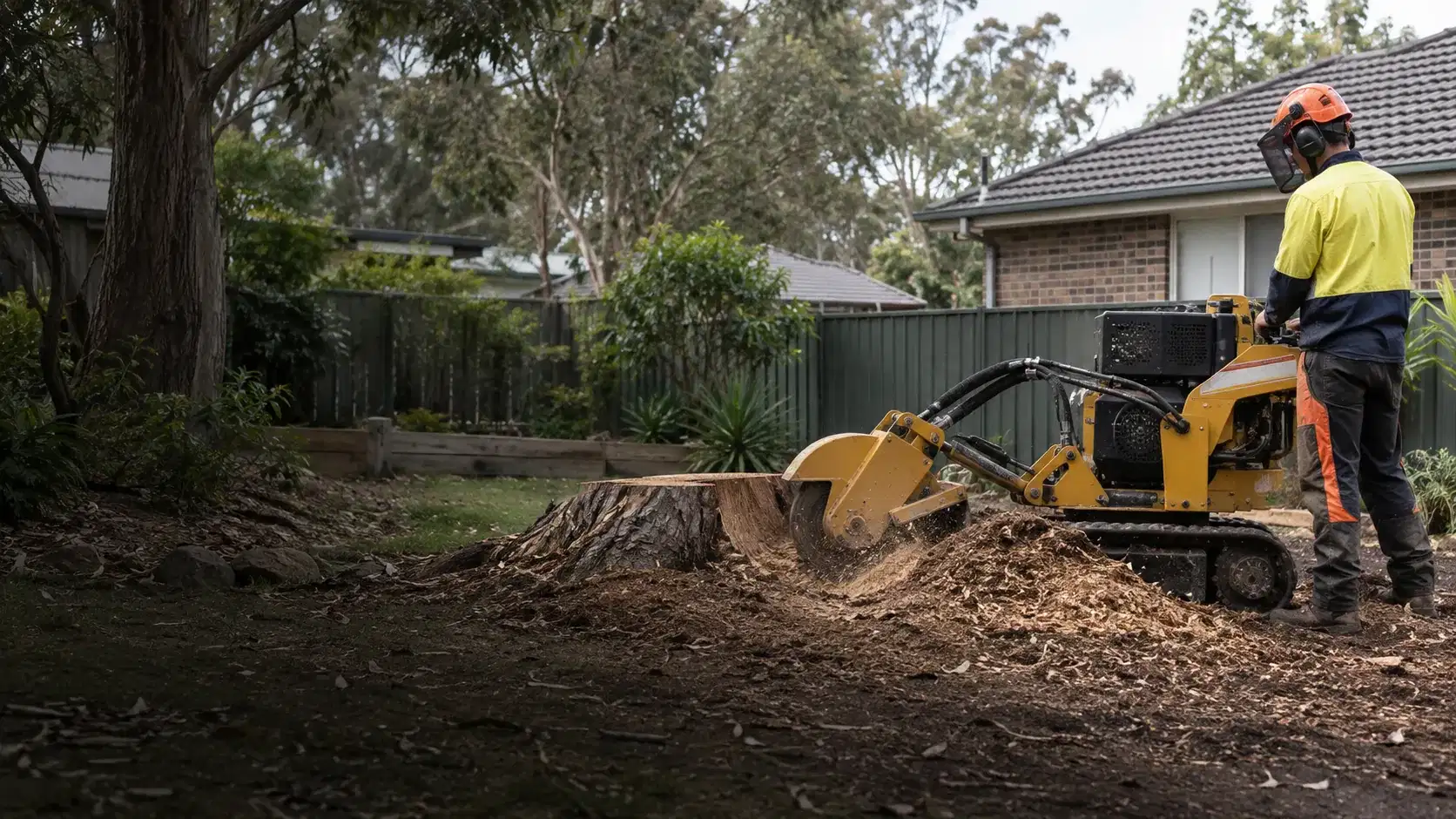
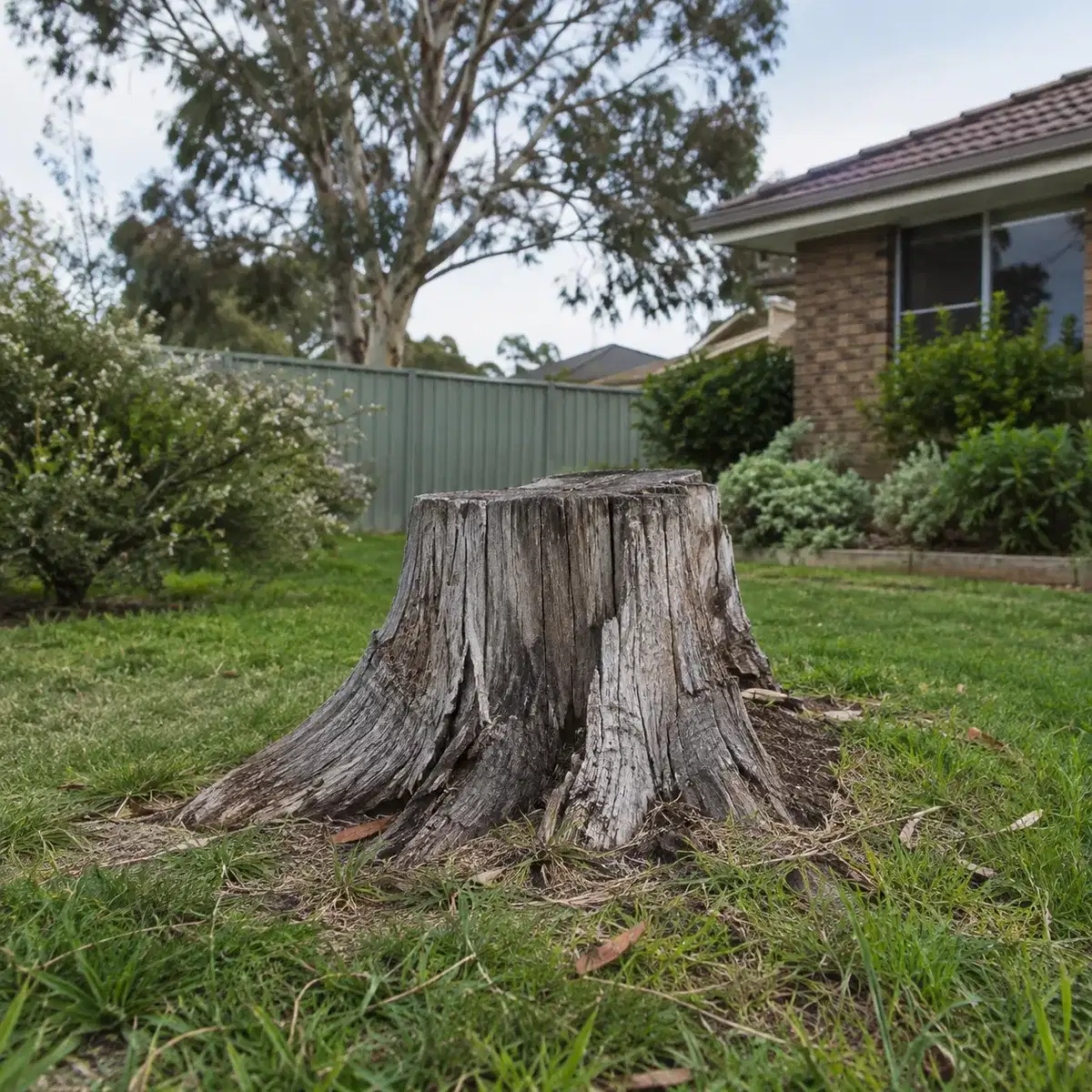
| Before footings and slabs | Grind stumps under anything being built or laid | Grinding later means breaking out new work |
| Until handover | Keep protection in place | The last trades breach it as often as the first |
| After scaffolding is gone | Final pruning | Nothing left on site to swing material near |
Where tree work sits in a build
- When
- Before anything is booked
- Tree work
- Confirm approvals and mark every retained tree
- Why then
- Removals often depend on the consent
- When
- Before other trades arrive
- Tree work
- Fence the protection zones
- Why then
- Most damage happens in the first weeks
- When
- Site preparation
- Tree work
- Approved removals and clearance pruning for machinery
- Why then
- The site is still open and accessible
- When
- Before footings and slabs
- Tree work
- Grind stumps under anything being built or laid
- Why then
- Grinding later means breaking out new work
- When
- Until handover
- Tree work
- Keep protection in place
- Why then
- The last trades breach it as often as the first
- When
- After scaffolding is gone
- Tree work
- Final pruning
- Why then
- Nothing left on site to swing material near
The two things worth deciding early
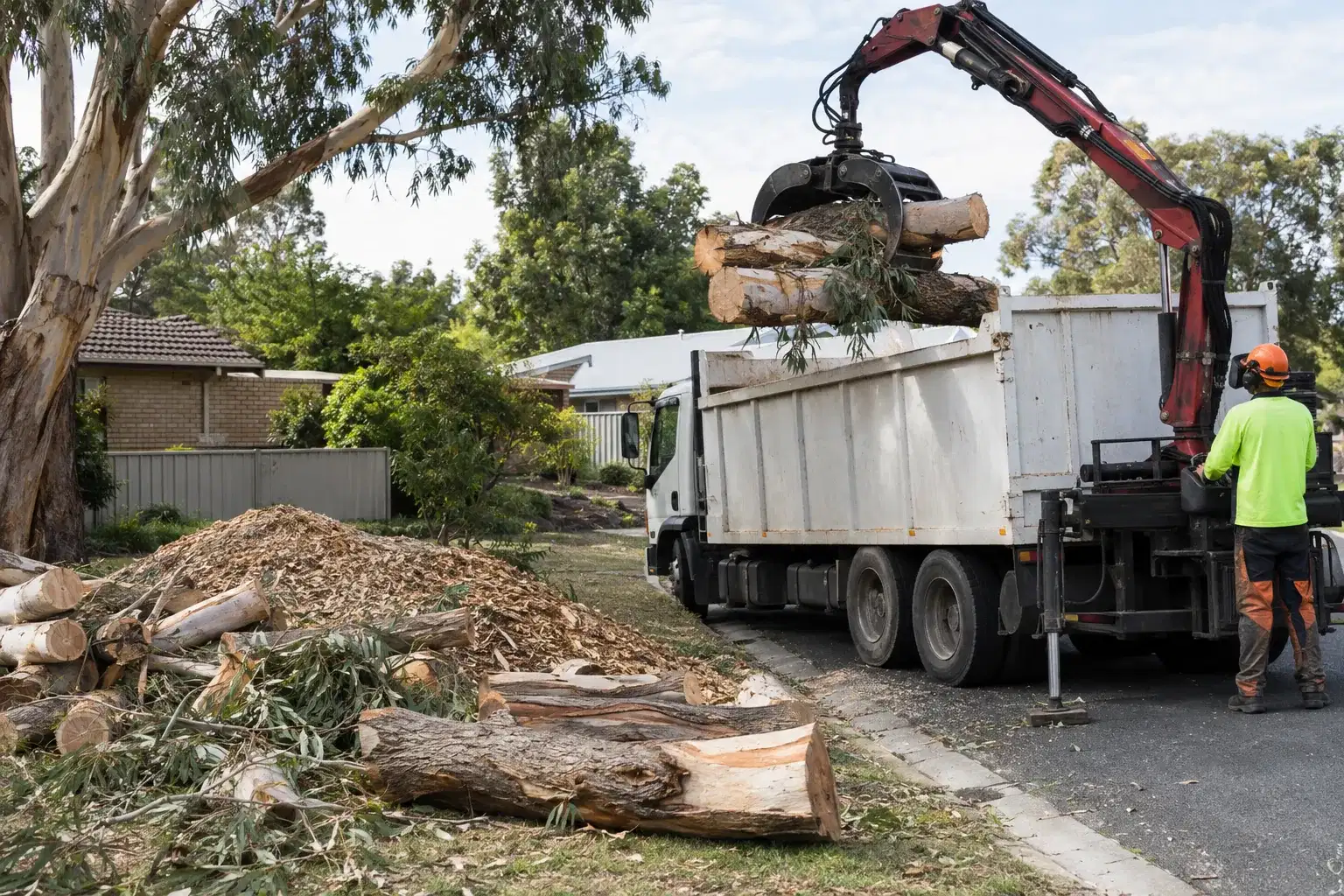
First, which trees are genuinely being retained - an honest answer beats an optimistic one, because a retained tree that dies mid-build is worse than one removed under approval. Second, where the material goes: on a tight site, a tree job produces volume that has nowhere to sit unless it is planned for.
The work this article describes:Land Clearing