Pools, decks and paving under everything
There is often no soft ground to land on. Protection has to go down before work starts, and the cost of that is part of the job rather than an extra.
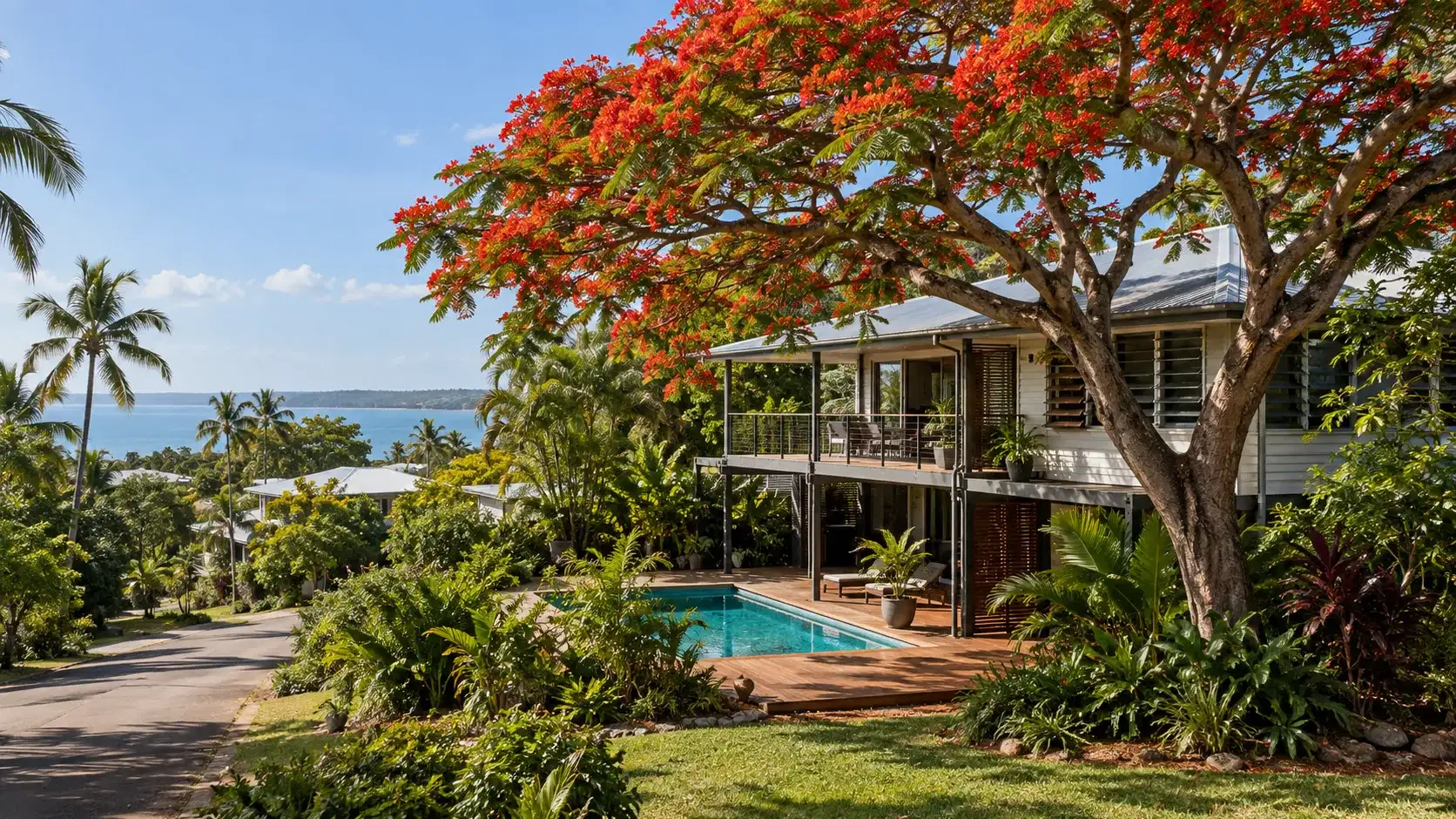
One of the most established streetscapes in Darwin. Work here is judged on what the tree looks like afterwards as much as on what came out.
The mature poinciana and raintree planting through Fannie Bay is the reason people buy here, which changes the brief. A reduction that solves the clearance problem but leaves the tree looking hacked has failed, even though the limb is gone. Cuts get placed for how the tree will regrow, not just for where the saw fits.
The blocks are generous by Darwin standards but the houses have grown into them - renovations and second storeys have eaten the side setbacks, and a lot of the mature canopy now sits over a pool, a deck or a neighbour's roof. Salt off the bay is a background factor: it does not kill these species, but it thins the exposed side and makes deadwood accumulate faster than owners expect.
Where crews are on most working days, which is usually reflected in how quickly we can attend.
Species behave differently, and the same cut on two of them produces two different outcomes. This is the mix we expect at this address.
The tree the suburb is known for. Shallow roots, wide habit, and very little tolerance for heavy reduction in one visit - staged work over two seasons usually beats one aggressive cut.
Enormous spread over neighbouring boundaries. Most jobs here are clearance and weight reduction on one side, which has to be balanced against leaving the tree lopsided into the wind.
Garden trees rather than street trees, but the ones most often over a pool. Both drop material constantly and both are usually a maintenance question rather than a removal one.
Most of the difference between two quotes on the same tree is here, not in the tree.
There is often no soft ground to land on. Protection has to go down before work starts, and the cost of that is part of the job rather than an extra.
Getting a chipper to the back yard is frequently impossible without going through the house or over a neighbour's block. Where that is the case we will tell you at quote, not on the day.
Canopy crossing a boundary is common here and the conversation goes better before the work than after. We will put in writing what we intend to cut and to where.
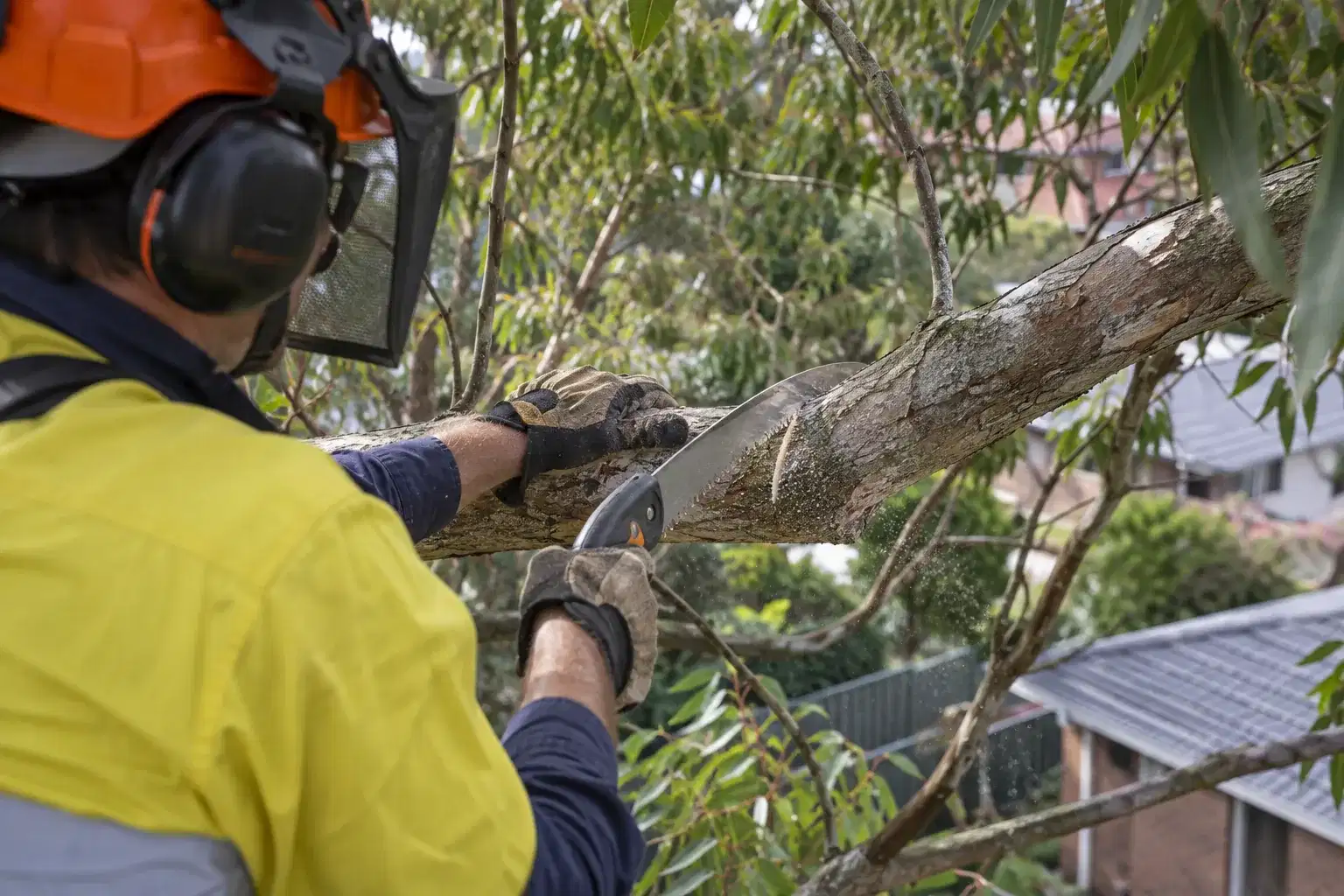
Selective cuts that solve the problem and ready the tree for cyclone season.
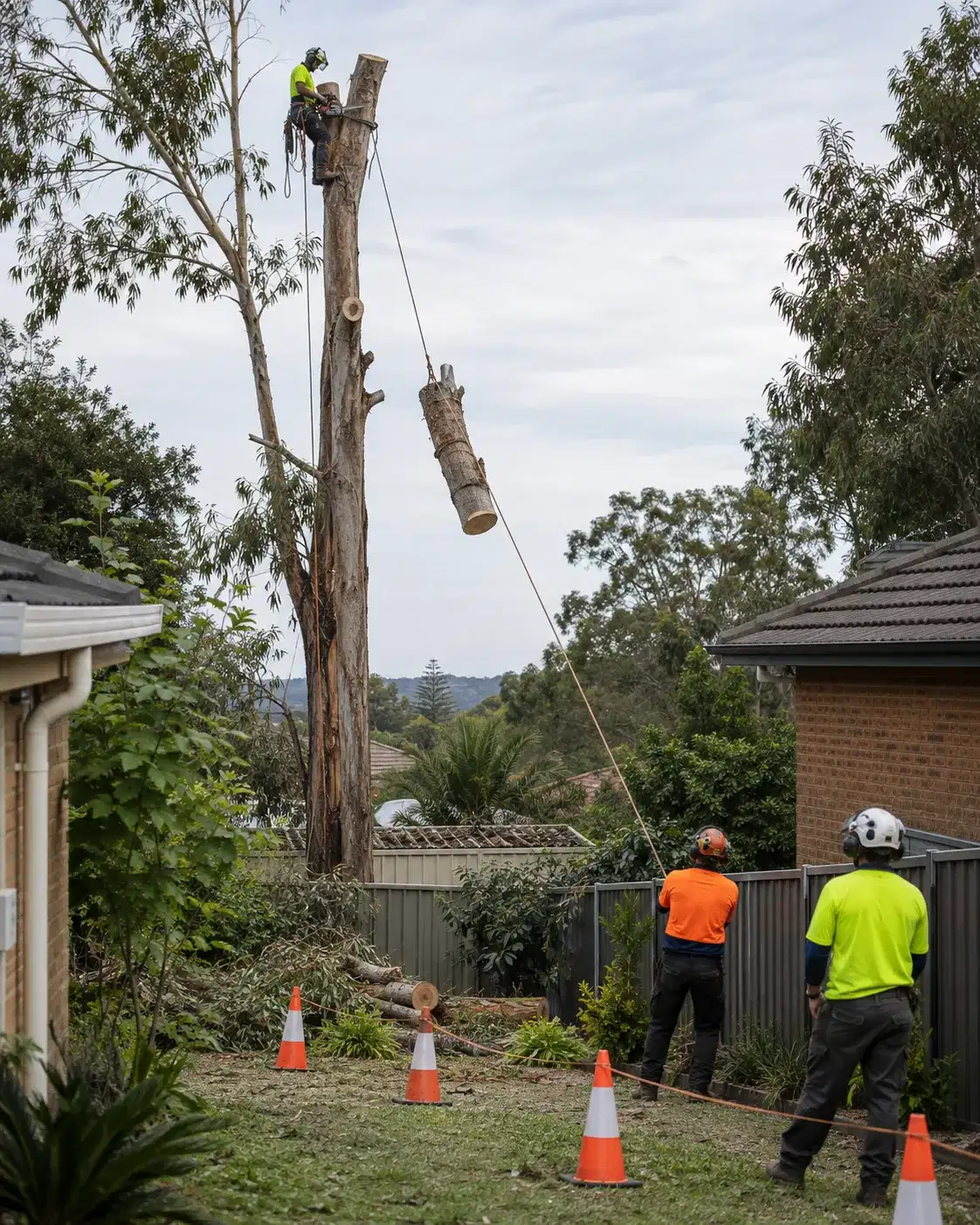
Controlled, sectional removal where a tree or palm can no longer stay.
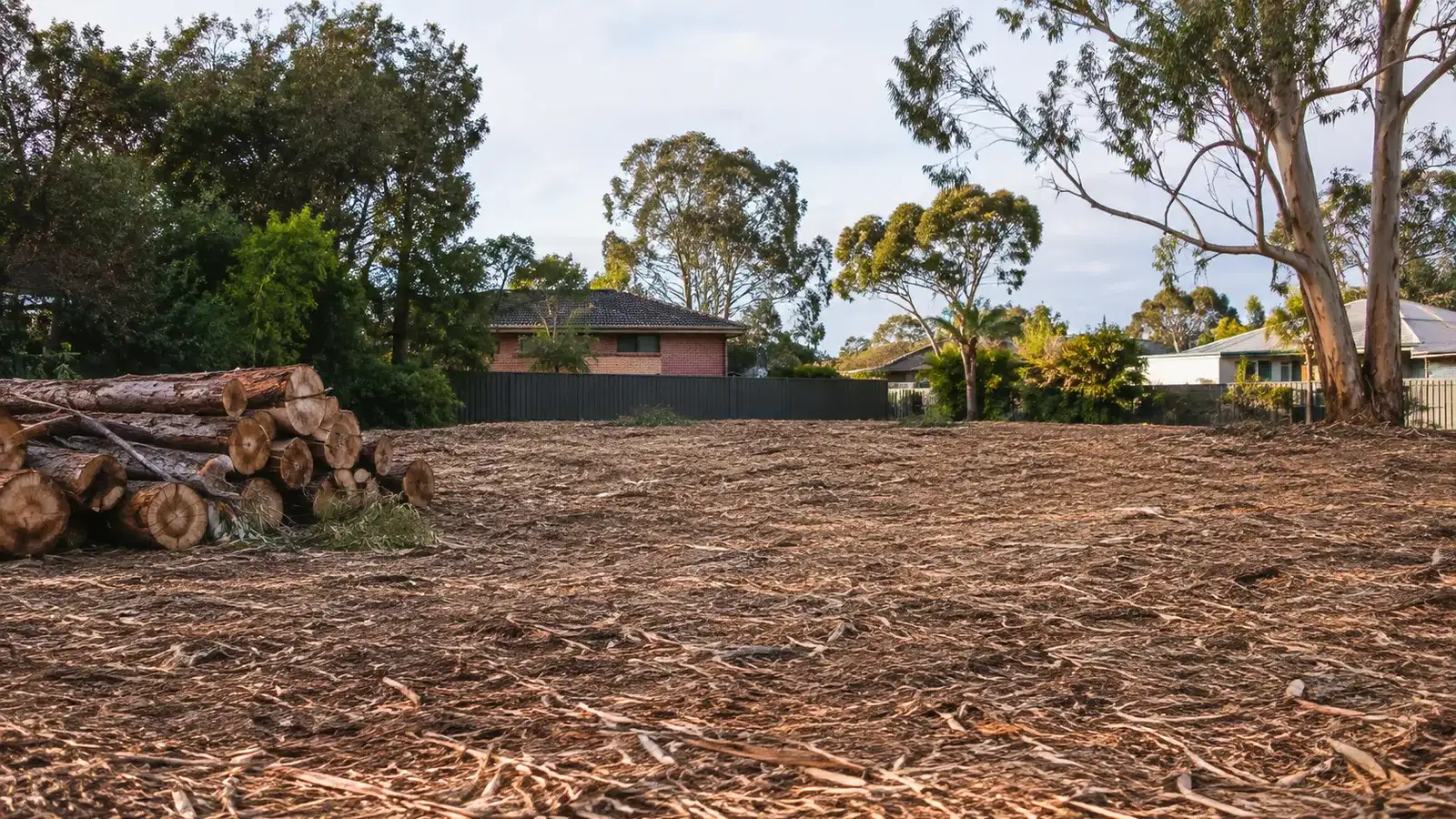
Blocks, boundaries and firebreaks cleared, plus scheduled work for managed sites.
Questions that come up in Fannie Bay and not everywhere else.
Less than most people expect in a single visit. Taking too much at once triggers a mass of weak regrowth that becomes a bigger problem in three years. Where a lot of clearance is needed we would rather stage it across two seasons and say so up front.
You can generally cut back to the boundary, but that is a legal position rather than a good arboricultural one - an unbalanced cut can make the tree less safe for both of you. We will assess it and give you something in writing you can show the neighbour.
Coverage does not stop at a suburb sign. These are the areas either side of this one.
Fannie Bay, NT
Send the address, a photograph and what you are worried about. We will tell you what we would do and what it would cost - including when the answer is less work than you expected.